
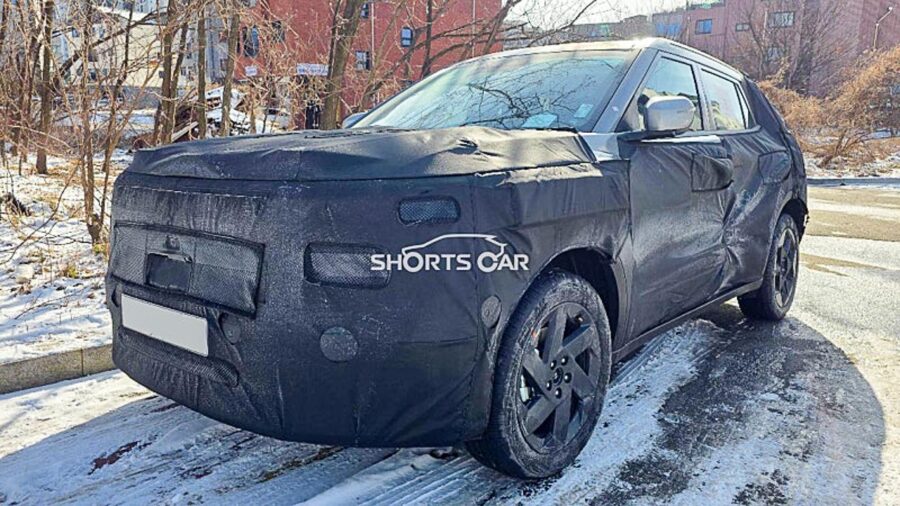
The Hyundai Creta has been on Indian roads for several years now, so seeing a brand-new generation take shape always sparks curiosity. Recently, the next-gen Hyundai Creta has been seen testing for the first time, and these early spy shots give a clear hint that Hyundai is preparing a big update for one of its most important SUVs.
This will be the third generation of the Creta and it is estimated to arrive around 2027. Even though the test vehicle is highly camouflaged, the overall shape already appears to be very different from the current model. The new Creta is expected to be manufactured in Hyundai’s Tamil Nadu facility and carries the internal codename SX3
Underneath the next-generation Creta is expected to move to Hyundai’s more recent K3 platform. This is the same platform that underpins recently launched new-gen Kia Seltos. The switch should bring improvements in safety, structure strength and driving stability. The new platform could also open the door for more advanced powertrain options, including the possibility of an all-wheel-drive setup for select variants.
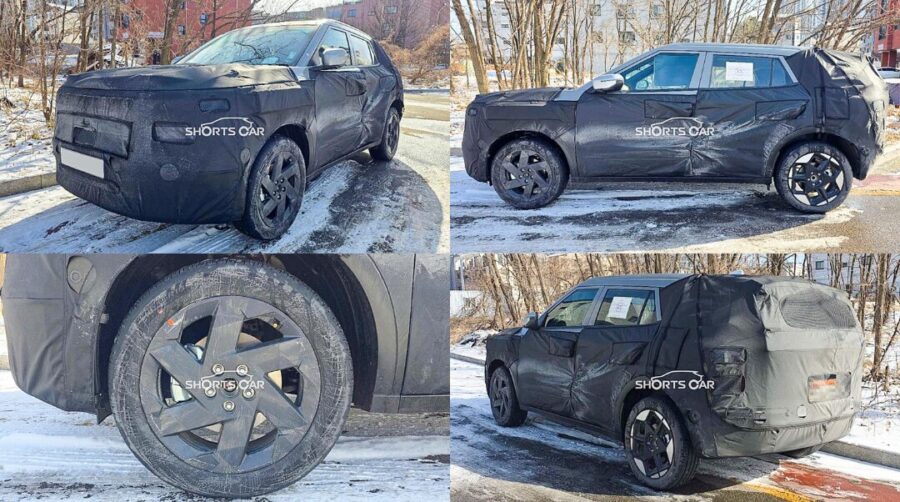
The biggest change seems to be in the direction of design. The new Creta seems to be more upright and boxy than before. The rounded curves of the existing model seem to be replaced by straighter lines and a squarer stance. This should give the SUV a stronger road presence and also help improve interior space.
From the side the proportions indicate that the new Creta could be slightly larger than the current one. Short front and rear overhangs point towards a longer wheelbase. The test car is seen propelling on massive alloy wheels, probably 18 inches, which also contributes to the SUV appearance. The area of glass is more angular and the roofline slopes gently towards the back. At the rear, the camouflage suggests a roof spoiler and more sculpted tailgate, though exact details are still hidden.
Inside, the cabin is expected to move closer to Hyundai’s latest global models. A more modern dashboard layout, larger screens, better connected tech and better ADAS features are all likely. Safety equipment is also expected to improve, keeping up with tougher norms and increasing customer expectations.
Engine options are likely to be familiar at least initially. Hyundai is expected to continue with the 1.5 litre naturally aspirated petrol, the 1.5 litre turbo petrol and the 1.5 litre diesel engine. Manual and automatic gearbox options should continue throughout the range.
A major addition may be a strong hybrid powertrain. With Hyundai driving the hybrid push globally and in India, the new Creta is seen as a strong contender for this set up. This would help to improve the fuel efficiency and ensure that the Creta remains competitive against the newer rivals. Alongside the ICE Creta, a Creta EV facelift is also planned around 2027, with updated features and improved range.
Hyundai’s aggressive product plan in India also includes the Exter facelift, Verna facelift, new compact electric SUV, Bayon crossover and the launch of its premium Genesis brand, highlighting a broader push across mass, electric and luxury segments.
The Creta has been one of the strongest products of Hyundai in India for over a decade. With competition rapidly increasing, this next-gen update seems important. From what these early test images suggest, Hyundai is not playing safe. The new Creta looks like a proper step forward, not just a mild refresh, and that is what the segment needs right now.