
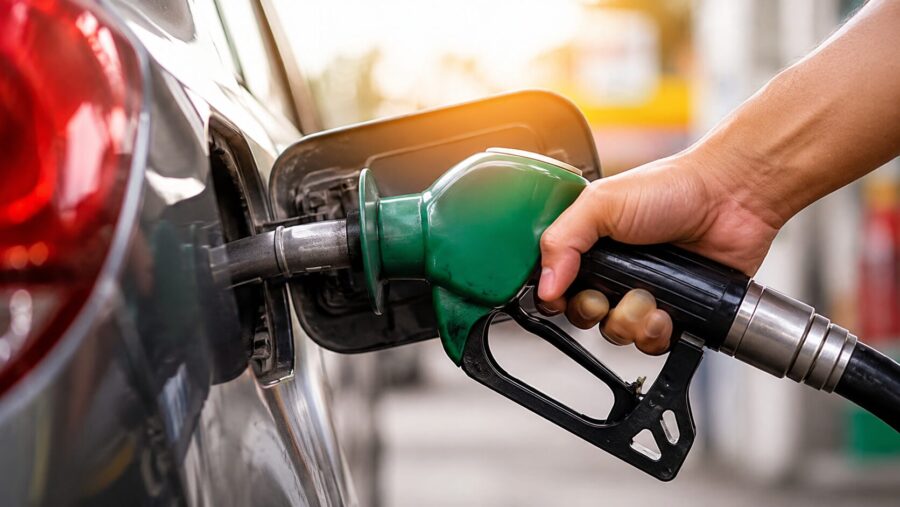
E20 has been a topic of discussion for a long time now. And for sure it is for valid reasons. Petrol with 20 percent ethanol is now a part of everyday driving across India. So, fuel quality questions naturally get attention.
This time, the discussion took a different turn after SIAM withdrew a letter sent to the Ministry of Petroleum and Natural Gas. The earlier letter had raised questions about chloride, sulphur and moisture found in some fuel samples. SIAM has now said that some figures need more checking and has clarified that the automobile industry fully supports the government’s E20 programme.
Why SIAM withdrew the letter
SIAM said its earlier communication was part of regular technical discussions between automakers, oil companies, testing agencies and other stakeholders.
The main points are:
- Some figures mentioned earlier need proper verification
- More data has to be collected from different parts of India
- SIAM wants consultation with its member vehicle manufacturers
- The earlier communication has now been withdrawn
The earlier figures should not be treated as final findings.
What happens to fuel quality checks
Fuel quality is not checked on just one or two points. According to SIAM, the current testing system covers more than 150 parameters and is carried out by oil marketing companies.
The government has added extra checks for ethanol blended petrol. MoPNG has introduced a 3ppm guideline for chloride and sulphur in ethanol used for petrol supply.
Oil companies have also increased checks at stations.
• Water ingress testing is carried out around 8 to 12 times a day
• Checks are conducted at more than 87,000 outlets
• Extra checks are done after rain near petrol pumps
• More than 2,000 fuel samples have reportedly been tested for chloride and sulphide contamination
The government has said that only two cases of chloride contamination have been found nationwide. Fuel sales at those outlets were stopped.
What started the whole debate
The earlier SIAM letter had created concern because it referred to vehicle part failures linked to fuel samples. It mentioned chloride contamination and excess moisture as possible reasons for corrosion or wear.
Parts mentioned in the reports included:
- Fuel injectors
- Fuel pumps
- EGR valves
- Other fuel system components
The letter had also raised questions about storage tanks and fuel transportation systems. SIAM had asked for stronger controls and a specific chloride limit for E20 petrol.
Where things stand now
SIAM’s latest clarification makes one thing clear. The earlier figures need more data before they can support a wider conclusion. At the same time, the government says fuel quality monitoring has been strengthened and contamination cases are being acted on.
For people using E20 petrol, the latest development is about checking facts properly. SIAM has withdrawn its earlier communication and has again backed E20 as an important step for India’s energy security.
The discussion may continue, but better testing and clean fuel supply matter most for drivers.
Key Details
| Point | Details |
|---|---|
| Organisation | SIAM |
| Fuel | E20 petrol |
| Ethanol content | 20 percent |
| Fuel quality testing | More than 150 parameters |
| Chloride guideline | 3ppm |
| Fuel outlets checked | More than 87,000 |
| Water ingress checks | Around 8 to 12 times daily |
| Samples tested | More than 2,000 |
| Chloride contamination cases | Two reported nationwide |
| SIAM position | Supports the E20 initiative |