
Volkswagen has been in the car business long enough to know that one formula does not work everywhere. Markets behave differently. Buyers think differently. Regulations, tech habits and even daily driving patterns vary from country to country. That thinking is now very apparent in China.
In China, Volkswagen is no longer trying to tweak global products and hope they fit. Instead, it is building cars, technology and software inside the country, for local buyers. This approach is summed up in one line: In China, for China.
At the centre of this strategy is the new China Electronic Architecture, or CEA. This is not an adapted world system. It has been developed, tested and put into production entirely in China, with local teams and partners. The first car to use it is the VW ID. UNYX 07, which is already in production.
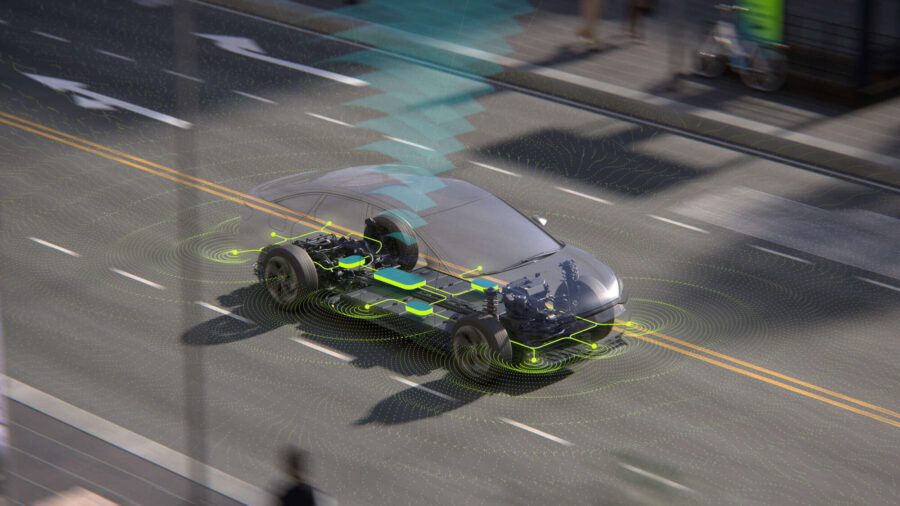
What makes CEA important is not just where it was developed, but what it allows Volkswagen to do
Key takeaways of Volkswagen’s China approach
- A fully local electronic architecture built in China
- Designed for electric, hybrid and petrol vehicles
- Supports full over the air software updates
- Uses fewer control units, cutting complexity by around 30 percent
- Allows faster development and lower costs
- Built to support China specific driver assistance and connected features
The speed is also something worth mentioning. Volkswagen took just 18 months to go from concept to production. That is the fastest the group has ever done for a completely new electronic architecture. Despite this, validation and safety standards were not reduced. Quality levels stayed the same.
This local approach helps Volkswagen to react quickly to the desires of Chinese customers. China moves fast when it comes to software, connectivity and in car tech. By developing everything locally, the brand is able to update features, improve systems and roll out new models without having to wait for global approvals.
The big question is whether something similar would work in India?
India is a very different market. Prices are much more sensitive. Volumes are distributed over segments. Suppliers are improving but the ecosystem is still growing. Developing a full electronic architecture just for India would need scale, long term demand and strong local supplier depth.
For now, most of the global brands, including Volkswagen, have adapted global platforms in India. That keeps costs under control and minimizes risk. But things are gradually changing.
Connected car features are becoming more prevalent. Software updates are starting to matter. Driver assistance systems are entering higher segments. Local engineering talent is also getting stronger.
What seems more probable in India is selective localisation. Not a full China style reset but local software tuning, India specific features and deeper involvement of local teams over time.
Volkswagen’s China story demonstrates what is possible when a market is big and mature enough. India may not be there yet, but the direction is clear. As cars become more software driven, local thinking will matter more than ever.