
Every budget car buyer hits the same wall eventually. The shortlist has one car with six airbags, another with a reputation for never breaking down, and a third with a large touchscreen and a sunroof. The money only stretches to one.
Figuring out which trade-off to accept is the real skill – and it has far less to do with brochures than with where and how the car will actually be driven.
Fix the safety floor first, then negotiate
Treat safety as pass or fail. Not one more scoring column.
Decide the minimum acceptable spec before falling in love with a colour or an alloy wheel design. For most families that means a structurally sound body shell, dual front airbags at the very least, ABS with EBD, and ISOFIX mounts if there’s a child seat in the picture.
Cars sold after the 2019 safety norms carry a driver airbag, ABS, reverse parking sensors and a speed alert as standard, which makes model year a useful shortcut when scanning listings quickly.
Buyers who start by shortlisting the best used cars under 10 lakhs in India on safety grounds usually find the list shrinks fast. A shorter list makes every later decision simpler.
Independent crash test results now exist for a solid number of mainstream hatchbacks and compact SUVs, so there’s no need to guess. One thing worth knowing: a rating applies to the specific variant tested. A base trim of a well-rated model may not carry the same equipment as the version that went into the barrier.
Reliability sits in the service book, not the badge
Brand reputation is a starting point. The service history is the actual evidence.
A car with stamped records, matching odometer readings and receipts for the expensive jobs – clutch, suspension bushes, AC compressor – tells a clearer story than any badge on the boot.
Local conditions change what to inspect. In Mumbai and coastal Kerala, the underbody and door sills deserve a torch and a proper look, because salt air and monsoon water find every unpainted seam.
Any Bangalore driver will tell you that a car which has spent years crawling along the Outer Ring Road has done more clutch cycles than its mileage suggests, so manual gearboxes there need a slow, careful test in stop-and-go traffic before committing to anything.
Delhi and Gurugram cars fight dust instead of salt, and that shows up as tired cabin filters, weak blower motors and clogged condensers.
Parts availability matters as much as build quality. A discontinued model with a thin dealer network looks like a bargain right up until a suspension component has to be ordered from another state and you’re waiting three weeks.
Features that reduce fatigue beat features that impress neighbours
Once safety and reliability are sorted, features should be judged by how often they actually get used. Automatic climate control earns its place in Chennai humidity. Rear AC vents matter when three adults regularly sit in the back. A height-adjustable driver’s seat, a reverse camera and steering-mounted controls quietly improve daily driving in ways a large touchscreen rarely will.
Tyres are a feature too – a set with solid tread left is worth real money at handover, and most buyers don’t price that in until it’s too late.
Most people assume the bigger model at the same price is automatically the better deal. That’s only half the story. Filtering second hand cars in budget by variant rather than by model is where most buyers gain real ground.
The mid trim of a smaller, sensible car often carries better safety equipment and more comfort kit than the base trim of a larger, flashier one sitting at the same price. Sunroofs, ambient lighting and connected car apps are pleasant. They rarely justify dropping a safety feature or accepting a patchy service record.
A working order of operations
The process below keeps the budget honest and stops emotion from hijacking decisions halfway through:
- Set the safety minimum in writing before looking at a single car. Don’t go below it.
- Shortlist three to four models that clear it within the price band.
- Check service history, accident repair signs and tyre condition before discussing price, not after.
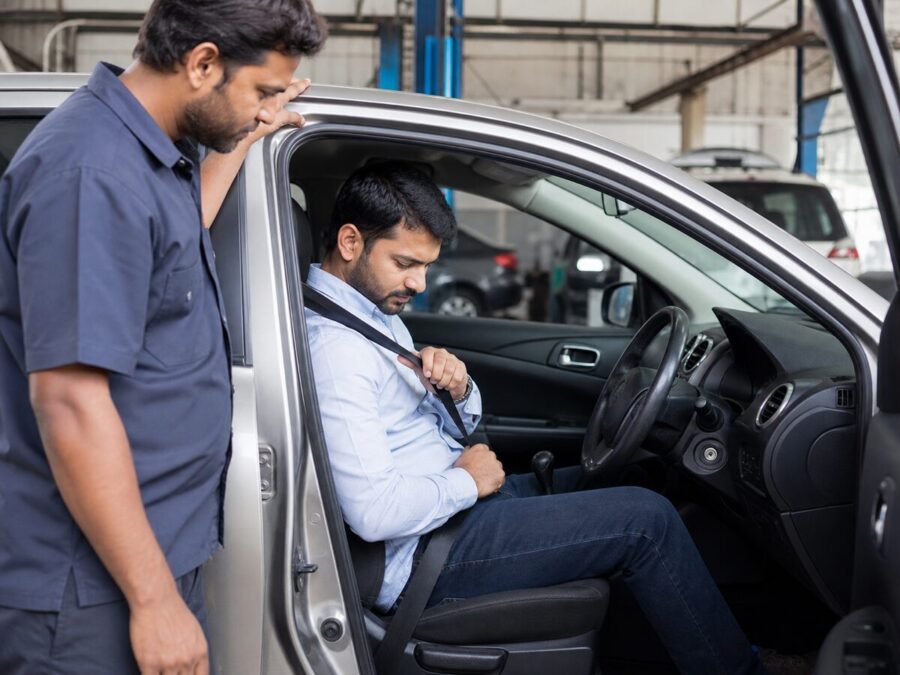
- Get an independent mechanic to inspect the car on a lift. Non-negotiable.
- Only then compare features, and only across the cars that survived the earlier steps.
Two costs catch buyers off guard more often than they should. Ownership transfer through the RTO can take several weeks depending on the office, and a car brought in from another state usually needs a No Objection Certificate plus local road tax
Insurance is the other one. A transferred policy loses the previous owner’s no-claim bonus, and that gap has a real rupee value that many buyers don’t account for until the renewal arrives.