
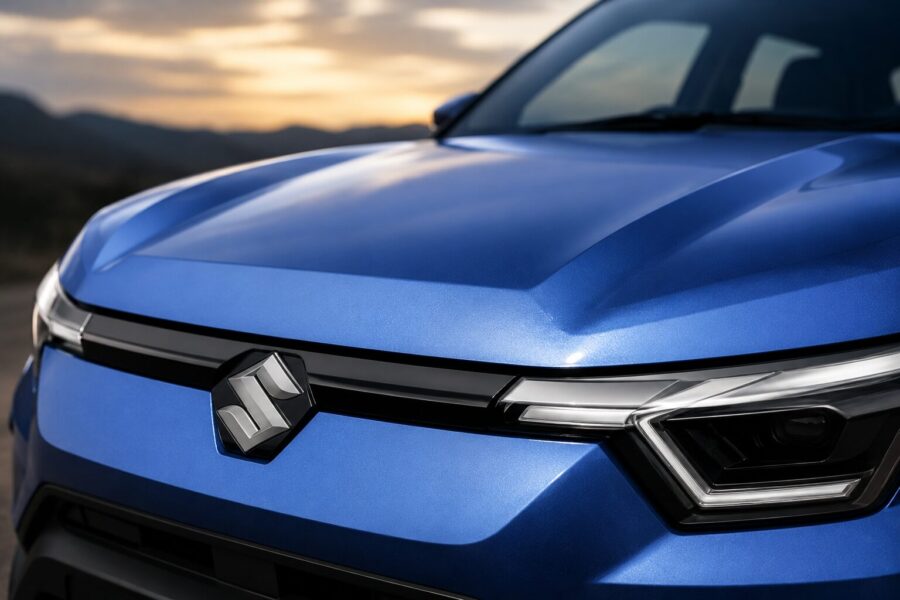
Maruti Suzuki appears to be preparing for one of its busiest product cycles in recent years. The company has outlined plans for nine new vehicles over the next three years, and 7 of them will belong to the SUV category.
The timing is not surprising. SUVs continue to attract a large share of buyers across the country and have steadily taken customers away from traditional body styles.
Sedans, which once played a major role in the passenger vehicle market, now account for a much smaller share as buyers increasingly prefer higher ground clearance, larger cabins and a stronger road presence.
To support its future growth plans, Maruti is also working on reducing the time needed to develop new vehicles. The company currently takes around four years to bring a fresh model from development to production. That figure is expected to come down significantly.
Planned Product Strategy
| Item | Details |
|---|---|
| Total new models | 9 |
| SUVs | 7 |
| Launch period | Next 3 years |
| Development timeline | 48 months to 36 months |
| Localisation target | More than 80% |
Maruti’s future portfolio will not rely on a single fuel type. The company is expected to continue offering multiple powertrain choices across its upcoming models.
Expected options include:
- Petrol
- CNG
- Hybrid
- Flex-fuel
- Electric
An electric MPV based on the e Vitara platform is also reported to be under development and could become the brand’s second EV offering.
Faster Development Process
One major change is taking place behind the scenes.
Maruti is increasing the use of artificial intelligence, machine learning and virtual testing systems. Engineers can evaluate designs digitally and identify issues much earlier in the process. This reduces the need for repeated physical testing and helps speed up development work.
The company is also changing the way it works with suppliers.
Rather than waiting for vehicle designs to be finalised, suppliers will be involved much earlier. Areas such as component engineering, validation, manufacturing preparation and tooling development will move alongside vehicle development.
This approach can help reduce delays and improve readiness before production begins.
Production Targets Also Growing
Maruti is aiming to manufacture around 2.82 million vehicles in FY2027. That would represent a significant increase compared to previous years.
The company continues to see strong demand both in India and export markets. Recent sales numbers have remained healthy, while exports have also recorded strong growth.
With fresh products, more SUV choices and a wider mix of powertrain technologies, Maruti appears determined to protect its leadership position in an increasingly competitive market.