
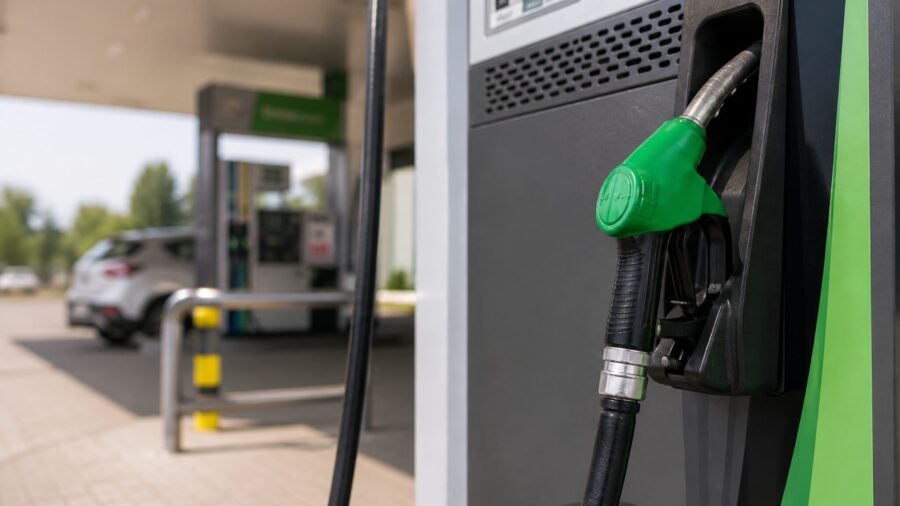
If you were someone expecting an option between E10 and E20 petrol at fuel stations, this latest update does not seem to please you. The Central Government has made it clear that drivers will not get a choice between pure petrol, E10 and E20. According to the Ministry of Petroleum and Natural Gas, E20 will continue as the standard petrol available across the country.
Why is the government not offering multiple fuel options?
The ministry says India’s fuel network is too large to handle three different petrol grades together. More than one lakh fuel stations are connected through refineries, pipelines, depots and storage facilities. Managing separate fuel supplies for pure petrol, E10 and E20 would increase costs and make fuel distribution much more difficult.
According to the ministry, maintaining different petrol grades would need:
- Separate storage tanks
- Different transport arrangements
- Extra inventory management
- Higher operating costs
- More complex fuel distribution
The government also explained that premium petrol cannot be compared with E10 because premium fuel is sold in much smaller volumes and does not require a nationwide supply system.
E20 will continue as the standard fuel
The ministry has confirmed that E20 will stay as India’s regular petrol. It also pointed out that large investments have already been made to support ethanol production across the country.
These investments include new distilleries, storage facilities and transport infrastructure. The government believes going back to E10 as the standard fuel would leave much of this infrastructure underused. It also says farmers, cooperatives, companies and banks have invested heavily in the ethanol programme.
India has also achieved an average ethanol blending level of 20 percent between November 2025 and June 2026.
What does this mean for older vehicles?
Many owners of older vehicles have been asking for E10 because their vehicles were originally developed before E20 was introduced. The ministry says it discussed the transition with vehicle manufacturers, component makers, testing agencies and research organisations before introducing E20.
It also shared field data from leading manufacturers.
| Manufacturer | Observation |
|---|---|
| Maruti Suzuki | Serviced 2.84 crore vehicles during FY2025-26, including 1.5 crore older vehicles, with no E20 related corrosion or abnormal component wear reported |
| Hero MotoCorp | Reported similar field experience with no major E20 related issues |
The ministry also accepted that some vehicles may see around 3 to 5 percent lower fuel efficiency with E20. At the same time, it says E20 offers a higher octane rating, cleaner combustion and helps reduce crude oil imports and vehicle emissions.
Key points
- No choice between pure petrol, E10 and E20
- E20 will continue as India’s standard petrol
- Separate fuel grades would increase fuel distribution costs
- More than one lakh fuel stations would need additional infrastructure
- Older vehicles may see a small drop in fuel efficiency
- Government says manufacturers have not reported major E20 related issues
- Ethanol infrastructure investments support the continued use of E20