
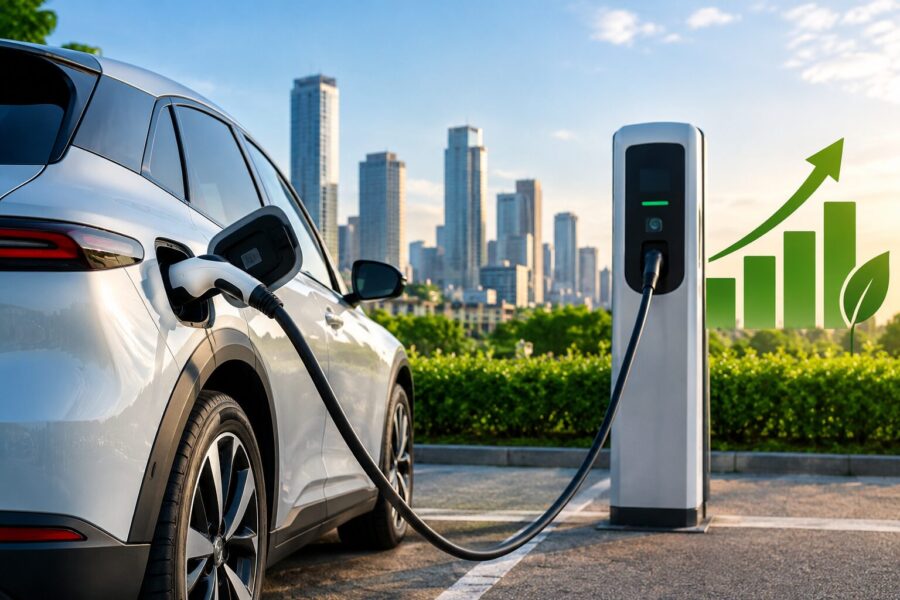
A study covered by the Harvard Gazette projects that 38% of new vehicle sales will be electric in 2030, a record share. The shift matters beyond the auto market. Car Insurance terms, premiums, and claim processes will change as more electric vehicles reach the road. Even third party car insurance, which depends on liability rather than vehicle type, will face new questions as the fleet changes.
What Study Shows
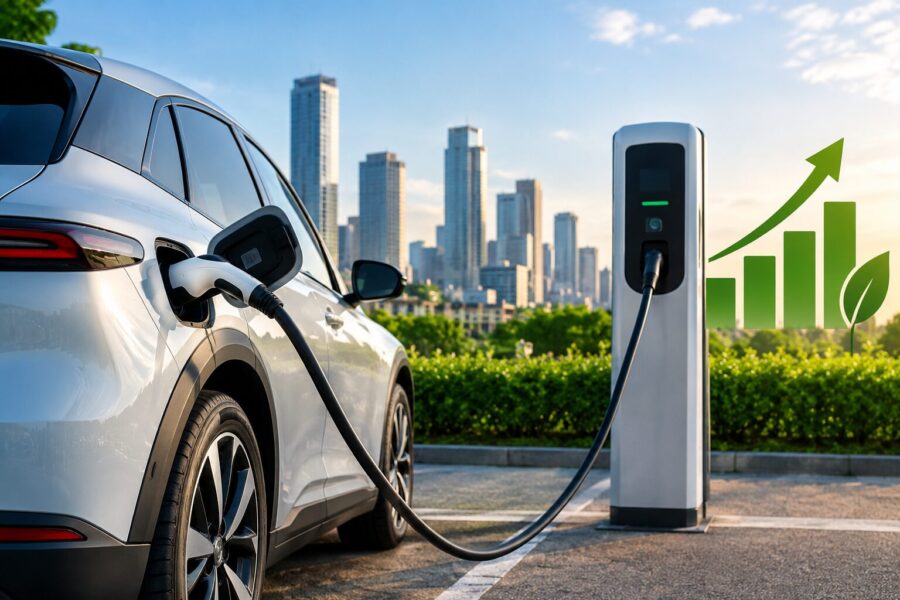
The projection suggests that electric vehicles are moving from a niche choice to a mainstream one. Falling battery costs, wider charging networks, and government incentives all support this trend. Many car makers have also announced new electric models across price ranges, which gives buyers more choice than before.
Insurers watch these trends closely. Claim patterns for electric cars differ from those of petrol and diesel cars, and insurers need time and data to price the risk correctly.
How EVs Differ
An electric car has fewer moving parts in its engine, but it carries costly new components. Insurers look at several differences:
| Factor | Petrol or Diesel Car | Electric Car |
| Repair cost | Established parts network | Higher for battery and electronics |
| Repair skills | Widely available | Fewer trained technicians |
| Weight | Lower on average | Higher because of the battery |
| Fire and water risk | Well-known patterns | Battery-specific risks |
| Parts supply | Wide and competitive | Often limited to the maker |
These differences affect how much an insurer expects to pay on a claim.
Battery Costs
The battery pack is the most expensive part of an electric vehicle, and it often accounts for a large share of the car’s price. It sits under the floor of the car, so an impact from a road hazard or a high speed bump can damage it.
Repair of a damaged battery can be difficult. In some cases, the insurer may treat the loss as a total loss, even after a moderate accident. This is one reason owners should check how the policy treats battery damage before they buy.
Premium Effects
Premiums for electric cars are often higher than for similar petrol models, because repair and replacement costs are higher. The own damage portion carries most of this difference.
Over time, prices may change. As insurers collect more claim data, and as repair networks grow, the cost of covering these vehicles may become more stable. Owners should not assume that today’s pricing will stay the same, and they should compare quotes at each renewal.
Third Party Cover
In India, premiums for third party car insurance are set by the regulator. For petrol and diesel cars, the rate depends on engine capacity. For electric cars, it depends on battery capacity in kilowatts. Electric vehicles have also carried discounted rates as part of efforts to encourage adoption.
The legal duty is the same for every vehicle. The cover pays for injury, death, or property damage caused to others, and it does not pay for damage to your own car. An owner who buys only this cover must pay for any repair of an electric car out of pocket.
EV Buyer Checks
Buyers of electric cars can review these points before buying a policy:
- Whether the battery is covered under the own damage section
- Cover for damage while charging at home or in public
- Roadside assistance that includes flatbed towing
- Cover for the portable charger and cable
- Zero depreciation and similar add-ons for the battery pack
- Whether the insurer works with approved EV service centers
Not every insurer offers all of these features, so wording matters. Read the exclusions closely, especially those about water damage and normal wear of the battery.
Industry Gaps
Several gaps will need attention as sales grow:
- Insurers need better data on battery health and repair history
- Garages need trained staff and the right diagnostic tools
- Parts supply must improve so repairs take less time
- Rules on battery replacement and resale value need clarity
These steps take time, and the pace will differ across regions. Buyers in smaller cities may find fewer approved service centers than buyers in large cities.
Repair Network
A claim is only as smooth as the repair network behind it. If the nearest authorized garage is far away, towing costs and waiting time increase. Owners should check the list of cashless garages offered by the insurer and match it with the service centers of the car maker. Ask how long approvals take, since delays in estimates can keep the car off the road for weeks.
Conclusion
A 38% share of new sales in 2030 would reshape the auto market and the insurance sector with it. Buyers of electric vehicles should compare policies carefully, since Car Insurance terms for batteries and charging differ between insurers. They should also remember that third party car insurance remains a legal requirement, no matter what type of vehicle they use.