
Petrol and diesel prices have been steadily increasing over the past few days, and that has started affecting how people look at everyday car ownership. As a result, companies are gradually exploring alternatives, such as ethanol, which is now becoming a more significant part of future mobility plans in India.
Maruti Suzuki could now take a major step in that direction. Union Minister Nitin Gadkari recently confirmed that the automaker will introduce a flex fuel vehicle on June 5. The vehicle is expected to run on E100 fuel, which means 100 percent ethanol.
If this happens, it will become the first mass-market four-wheeler in India capable of running on such a high ethanol blend.
Right now, India already uses E20 petrol in many places, and work is also happening on higher blends like E22, E25 and E30. An E100-ready vehicle would move much further ahead compared to regular petrol cars sold today.
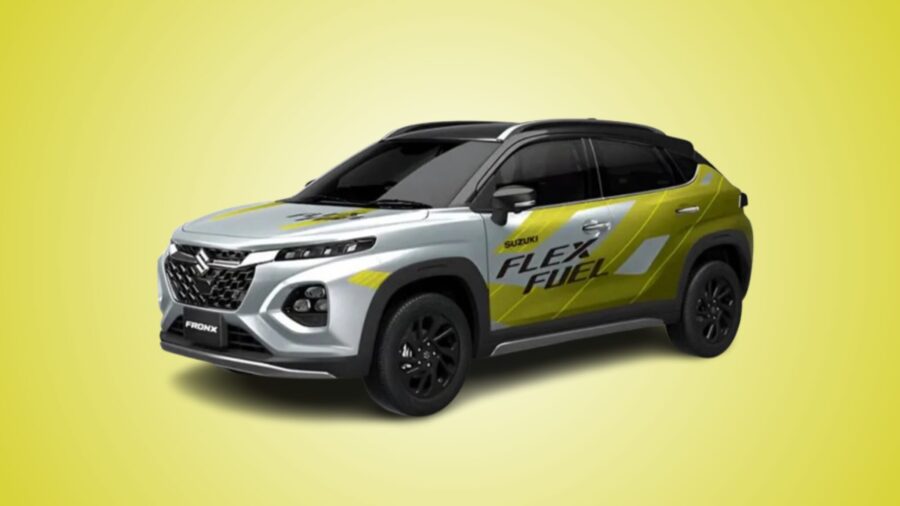
Maruti Suzuki has already showcased flex fuel technology before. During the Japan Mobility Show 2025, the company displayed a flex fuel version of the Fronx. That model was compatible with E85 fuel blends. Reports now suggest the upcoming vehicle may support full E100 compatibility after further development.
There is also a strong chance that the first production model could be based on the Wagon R instead of the Fronx.
What changes in an E100 vehicle?
Running a car on ethanol is not as simple as filling a different fuel. Ethanol behaves differently compared to petrol and needs specially designed components.
The vehicle needs:
- Different fuel lines
- Modified engine setup
- Special fuel storage system
- Revised ignition components
Ethanol absorbs moisture faster than petrol, so the entire system has to be designed carefully for long-term use. Industry estimates suggest these changes could increase vehicle prices by around Rs 50,000 to Rs 70,000 compared to normal petrol cars.
More brands are already testing this technology
Flex fuel technology is no longer limited to one company. Several manufacturers have already displayed such vehicles in India, such as –
- Toyota
- Tata Motors
- Mahindra
Two-wheeler companies like Honda and Suzuki have also introduced flex fuel motorcycles in the market.
Still, fuel availability remains a big challenge. E100 fuel is not widely available across Indian fuel stations yet, which means sales numbers may stay limited in the beginning.
Company executives have also admitted that large demand may take years to build properly.
Technology already exists
Maruti Suzuki officials recently said that the company already has the technology needed for higher ethanol blends and flex fuel systems. The company plans to support future government fuel policies whenever required.
The government is also pushing ethanol strongly because it can reduce crude oil imports and improve local fuel production. India still depends heavily on imported crude oil, and ethanol is being seen as one possible long-term alternative.