
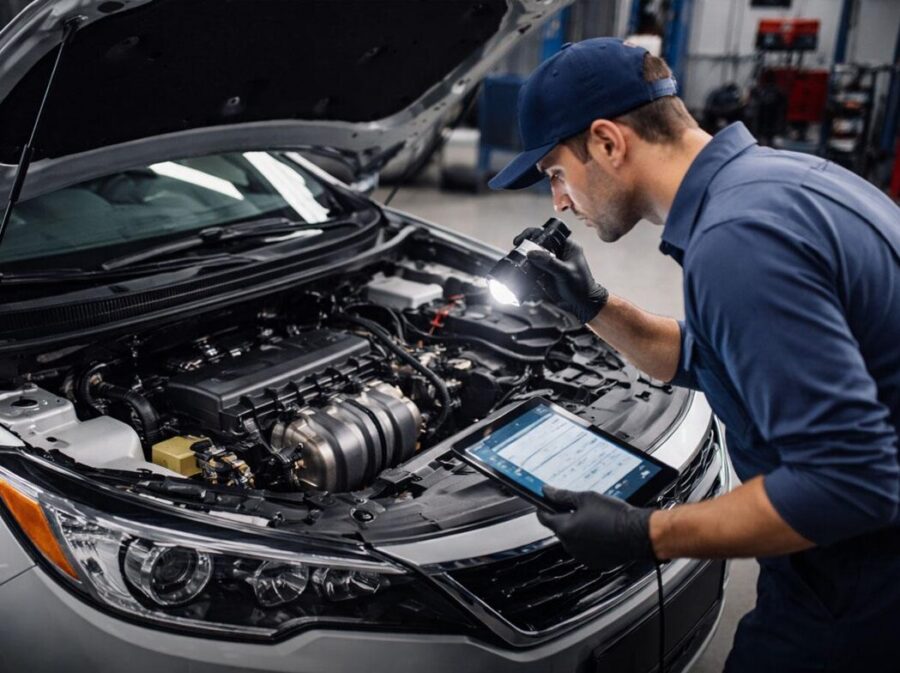
Buying a used car that looks like it was just driven out of a showroom is the dream of every pre owned vehicle buyer. When you see a car with a clean engine bay and a spotless interior, it is easy to assume that the vehicle is in perfect health. However, seasoned experts know that a polished appearance does not always guarantee a trouble free future. This is why professional PDI inspections are a vital step even for the most pristine looking cars. Many of the most serious issues found during used car inspection are those that are completely invisible to the naked eye and only surface after the car has been driven for a few hundred kilometres.
A well maintained car often tells a story of care, but it can also hide the natural ageing of complex mechanical parts. Some components are designed to last a certain amount of time regardless of how well the owner treats the car. Understanding these hidden risks will help you make a more informed decision and avoid a financial shock shortly after your purchase.
The Reality of Wear and Tear in Ageing Vehicles
Every car is a collection of thousands of moving parts that work together under extreme heat and pressure. Even if a car has been serviced every six months, certain parts like rubber bushings, seals, and gaskets will eventually degrade. These parts often look fine from the outside but can fail without warning.
The Problem with Degraded Rubber Components
Rubber is used throughout a car to keep fluids inside and to reduce vibrations. Over time, rubber becomes brittle and develops tiny cracks. This is especially true in regions with extreme weather. A car might look perfect, but a cracked oil seal or a brittle radiator hose can lead to a sudden breakdown. These small parts are inexpensive by themselves, but their failure can lead to massive engine damage if they cause the car to lose oil or coolant while you are driving.
Hidden Suspension Fatigue
Suspension parts like dampers and struts lose their effectiveness slowly. Because the change happens over thousands of kilometres, the previous owner might not even notice that the ride quality has dropped. A visual check will only show if there is an active leak, but it will not tell you if the internal valves are worn out. Only a professional inspection can determine if the suspension is actually providing the safety and comfort it was designed for.
Complex Electrical Systems and Ageing Sensors
Modern cars rely heavily on electronic control units and sensors to manage everything from fuel injection to safety systems. These electrical parts do not have a predictable service life. A sensor can work perfectly today and fail tomorrow without any prior signs of trouble.
Silent Faults in the Control Module
Sometimes, a car might have intermittent electrical issues that do not trigger a permanent warning light on the dashboard. These “soft codes” stay stored in the computer memory. An inspector uses advanced diagnostic tools to read these codes and find out if the car has a history of engine misfires or sensor failures. Without this digital check, you might buy a car that seems healthy but has a hidden electrical gremlin that is very expensive to fix.
Battery and Alternator Health
A car might start perfectly during your test drive, but the battery could be near the end of its life. Similarly, an alternator might be struggling to charge the battery properly under a full electrical load. These issues are often missed during a casual walkaround. A professional inspection includes a load test for the electrical system to ensure that you will not be left stranded with a dead battery a week after buying the car.
The Risks of Infrequent Use
Surprisingly, a car with very low mileage can sometimes hide more surprises than a car that is driven regularly. If a car sits in a garage for long periods, the fluids can settle and parts can seize. Seals that are not lubricated by moving oil can dry out and start leaking the moment the car is put back into regular use.
Fluid Contamination and Internal Rust
Brake fluid and engine oil can absorb moisture from the air if the car is not driven enough to reach its operating temperature. This moisture can cause internal rust in the engine or the braking system. A car that looks brand new but has very few kilometres on the clock requires a very deep check to ensure that the internal passages are clean and free of corrosion.
Flat Spots and Tyre Ageing
Tyres have a shelf life regardless of how much tread is left. If a car sits in one spot for months, the tyres can develop flat spots that cause vibrations at high speeds. Additionally, the rubber compound in the tyres hardens after five or six years, making them less grippy and more prone to cracking. An inspector will check the manufacturing date of the tyres to ensure they are still safe for the road.
Structural Integrity Beyond the Paint
A car that has been involved in a minor accident might be repaired so well that you cannot see any difference in the paint. However, the structural integrity of the bumpers or the crash sensors might have been compromised. Once a crash structure has been deformed and pulled back into shape, it is never as strong as it was from the factory. A professional inspection looks for these structural weaknesses to ensure that the car will protect you in the event of a future collision.
Conclusion
A clean and well maintained car is always a better starting point than a neglected one, but it is not a guarantee of perfection. Mechanical parts age, sensors fail, and hidden issues can exist even in the most beautiful vehicles. By performing a professional inspection, you pull back the curtain and see the true condition of the car. This extra step gives you the confidence to either proceed with the purchase or walk away from a potential disaster.