
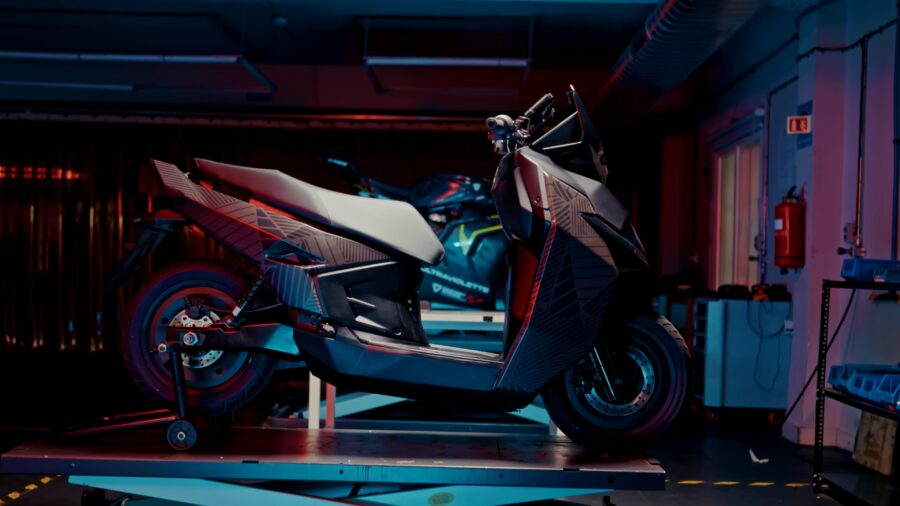
A lot of people booked the Ultraviolette Tesseract hoping they would get the scooter this year. That is not happening now. The company has confirmed that the electric scooter will finally launch in January 2027, and deliveries are also expected to begin around the same time.
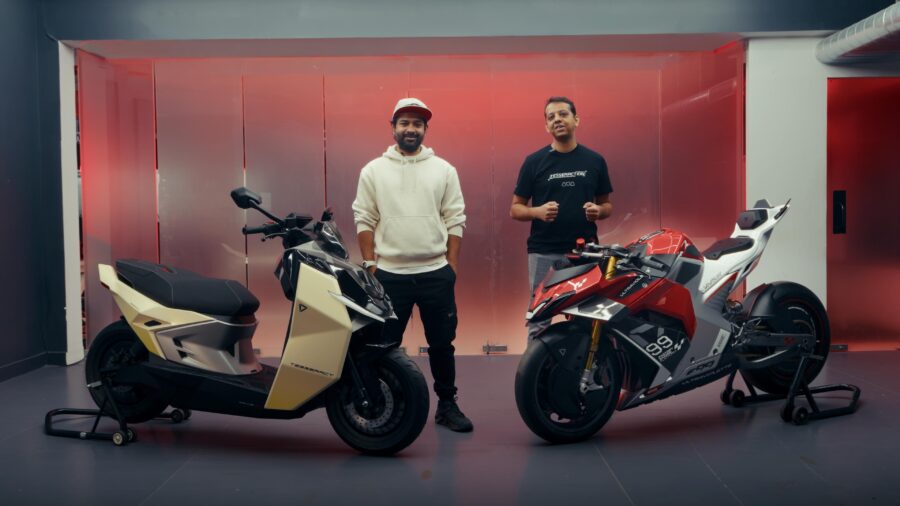
Over the last few months, Ultraviolette took the scooter across nearly 30 cities in India. Riders got a close look at the scooter and shared feedback related to comfort, seating position, floor space and everyday practicality. Based on that feedback, the company made multiple changes before finalising the production version.
One noticeable update is the seat. It is now wider and gets denser cushioning for better comfort. The floorboard has also been redesigned to create more space for the rider. Shorter riders should now find it easier to place their feet on the ground as well.
The handlebar position has also been adjusted slightly. Even the windscreen placement has been revised to improve daily usability.
New 100V electrical system
A major update sits underneath the body panels. The Tesseract now uses a completely new 100V architecture.
Most electric scooters in India currently run on lower-voltage systems. According to Ultraviolette, the new setup brings several advantages –
- Higher continuous performance
- Better thermal management
- Faster charging capability
- Improved efficiency
- Smaller and lighter electronic components
The company claims this is the first electric scooter in India to feature a 100V system.
Ultraviolette has also developed a new battery management system. It is smaller and lighter than older units used by the brand, helping save space inside the scooter.
Performance figures
The Tesseract is expected to be among the quickest scooters in the country once launched.
- Peak power output of 15kW
- Claimed top speed of 125 kmph
- Faster acceleration than many petrol scooters
Ultraviolette has also tested the scooter under different riding conditions to improve reliability. The scooter is currently undergoing extended testing across different terrains and weather conditions.
Battery options and features
The scooter will be offered with three battery pack choices.
- 3.5kWh
- 5kWh
- 6kWh
Prices are expected to start from around Rs 1.45 lakh ex-showroom.
The feature list is also quite strong for an electric scooter.
- Dual-channel ABS
- Traction control
- Radar-based blind spot alerts
- Large touchscreen display
- Connected technology features
Some variants may also get an onboard charger.
Why the delay happened
The original scooter setup created packaging and thermal challenges. The company wanted to maintain the promised performance figures without compromising on storage space or rider comfort.
Engineers reportedly had to redesign several important systems from scratch. This included the motor controller, battery electronics and thermal management setup. That process added more development time, which eventually led to the delayed launch timeline.
The company has also confirmed that existing bookings will continue at the originally announced prices.